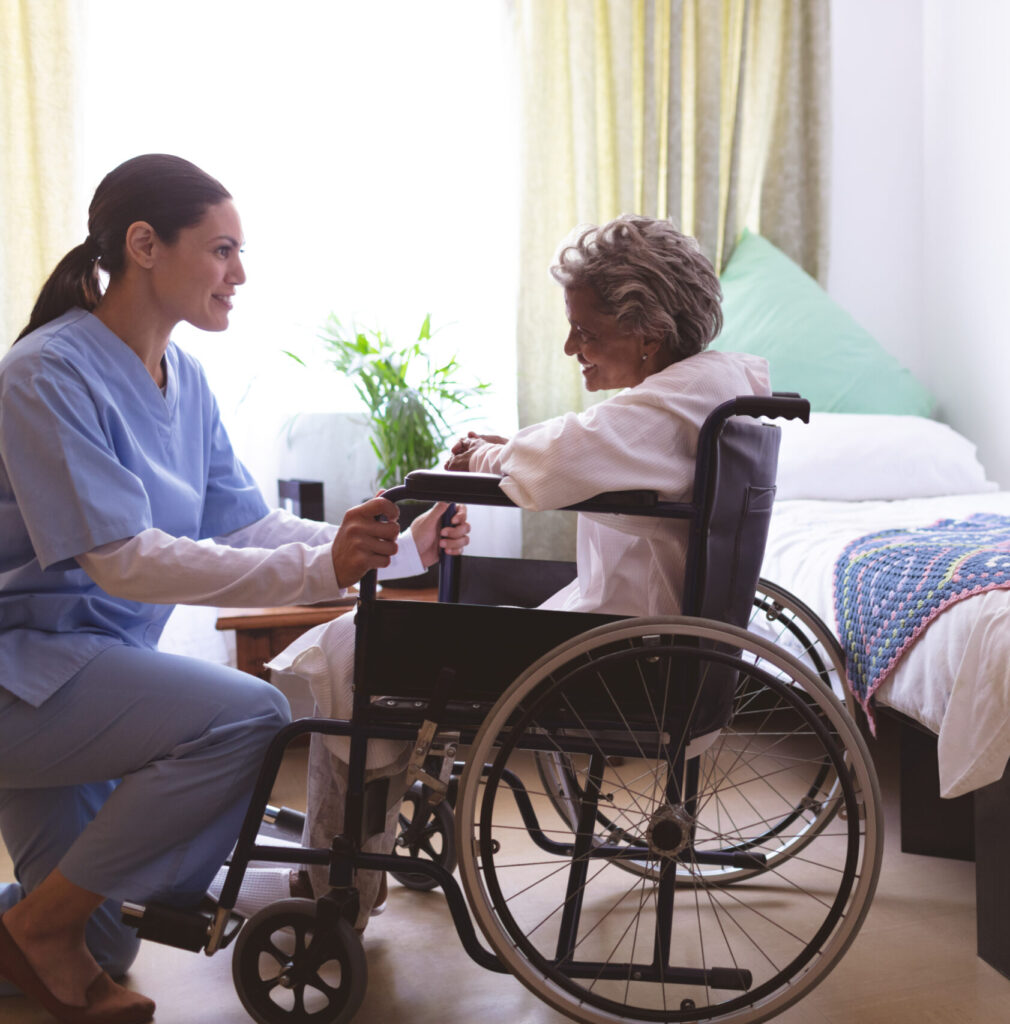


How Common is Caregiving?
Caregiving in the US 2025 is a comprehensive report, updated every five years, on the status of family caregiving in America. In 2020, the report showed 53 million unpaid family caregivers provided ongoing care to adults or children with a medical condition or disability. The 2025 report shows that the number has grown to 63 million in just five years. Of the 63 million, 59 million provide care to individuals with complex medical conditions.
Who are Caregivers?
Family caregivers attend every church in the United States. Some may not realize they are caregivers. When you imagine a caregiver, you probably think of a spouse caring for a wife or husband after a stroke or heart attack. Another common image is a parent of a child born with a developmental delay or birth defect, such as blindness or hearing impairment. You may also have considered siblings, aunts, uncles, grandparents, other relatives, or even friends who provide routine assistance.
Did you know that many children serve as caregivers to their parents? I’m not talking about adult children caring for elderly parents. I’m talking about children in elementary and high school who dress, prepare meals, and provide medical care for a parent before going to school, ensuring their parent has what they need for the day before they leave. After coming home, the child may bathe their parent and assemble everything for the next day. Once the parent is asleep, the child completes their homework and retires for the night.
What Do Caregivers Do?
Caregiving today is not limited to helping someone get dressed, bathed, and receive food. All those duties may be essential in some cases, but each situation is different. Caregivers strive to meet the needs of the care recipient (i.e., person receiving the care), whether those needs be physical, mental, or emotional. For example, the one needing help may have difficulty moving, in which case the caregiver helps with transferring them from one position to another and moving them from place to place, but it doesn’t stop there. Someone with a mobility challenge also has special needs related to skin care, bowel elimination, oxygen exchange risks, and other physical risks, as well as struggles with depression.
Besides assisting with their physical and mental health care, the family caregiver coordinates all their medical appointments, serves as liaison between all the numerous healthcare professionals who never interact with one another, corrects all the errors on billing, completes all the paper work for care coordination and pre-authorization, submits requests for transportation assistance, special equipment or supply needs, and applies for financial aid to pay for all the medical care that not covered by insurance but is medically necessary.
Caregivers Are Not Just Caregivers
While juggling all the medical appointments and necessary treatments, they may also have others in their household needing attention, a home to maintain, a full-time job to perform, a spouse to keep happy, extended family who do not understand why they are always late for family gatherings, and friends who feel neglected.
Caregiver Burnout
Before long, caregiver burnout takes away all filters and emotions. They hurt so much that they no longer care about anything at all. When people come to visit or inquire about the care recipient, they often forget to ask about the caregiver’s health. Almost as an afterthought, they say, “Oh, and how are you doing?” leaving the caregiver feeling like an unimportant part of the equation. Their life and existence become absorbed into that of the care receivers, and they feel as though no one sees them.
“Why?” God
At that point, if not before, many begin to ask God, “Why?” “What did I do?” “Why are you punishing me?” Many want to die just to escape the life they lead, though they feel too guilty to say that aloud and would never take that action due to the commitment they feel toward the care receiver. However, before long, they give up hope, put on a mask, say the right words, and pretend everything is okay. They stop feeling.
Does Anyone Notice the Caregiver?
The worst part is they stop believing that the church cares, and for most, the church represents God, which is why a caregiver ministry is so important. Every church has family caregivers. People trapped at home who feel abandoned. Sending them cards that say, “You’re in our thoughts and prayers,” is the same as walking by a homeless person who is freezing on the side of the road and saying, “We’re praying for you.” The man freezes to death if you don’t hand him a blanket.
Starting a Caregiver Support Program
Starting a Caregiving Ministry shows your members that you genuinely care about them. You become Jesus to them when you walk in their door and let them talk about how they feel, when you pick up their groceries for them, drop their car off at the mechanic for inspection, sit with their care receiver for a while so they can have a break, and so many other small things from your perspective but huge for them. I’ll give more examples in “How to Start a Caregiver Support Program.”