A framework of how to approach providing care, including completing a baseline assessment, recognizing normal and what’s not, and providing an explanation regarding how the body parts work together and the impact when any one part fails.
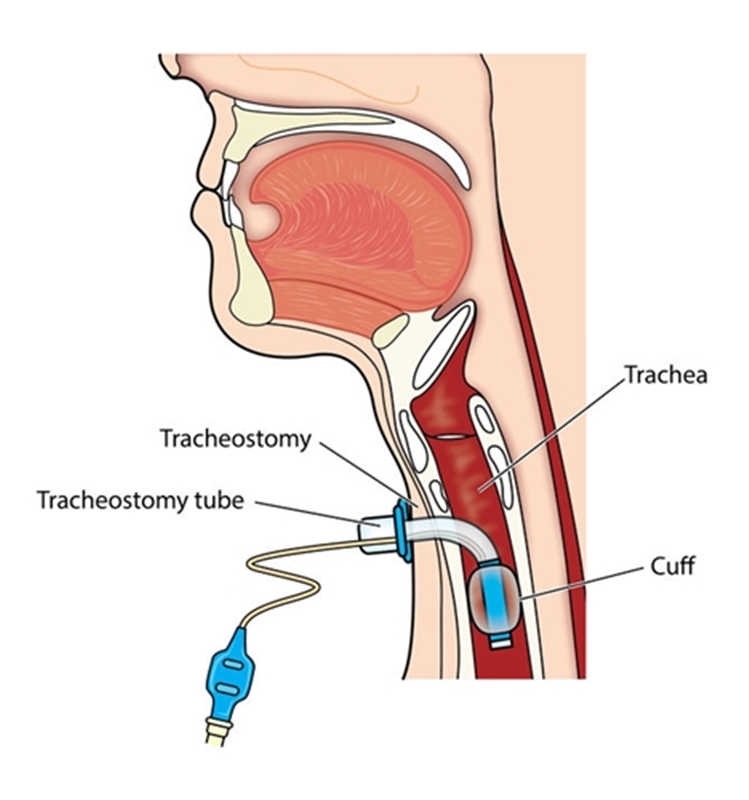
How to assess breathing and airway difficulties, work with oxygen, provide suctioning if needed, do tracheostomy care, recognize if breathing sounds abnormal, and what to do if something doesn’t sound right, plus other helpful information related to the lungs and airway management.
Topics related to the heart and circulatory system, such as how to recognize symptoms of heart trouble, what to do if you suspect a cardiac emergency, how to help prevent congestive heart failure or how to reduce high blood pressure. In addition, issues related to poor circulation and how to recognize when the body isn’t getting enough blood to a particular area, and actions you might be able to take to help make that better.
Topics related to the heart and circulatory system, such as how to recognize symptoms of heart trouble, what to do if you suspect a cardiac emergency, how to help prevent congestive heart failure or how to reduce high blood pressure. In addition, issues related to poor circulation and how to recognize when the body isn’t getting enough blood to a particular area, and actions you might be able to take to help make that better.
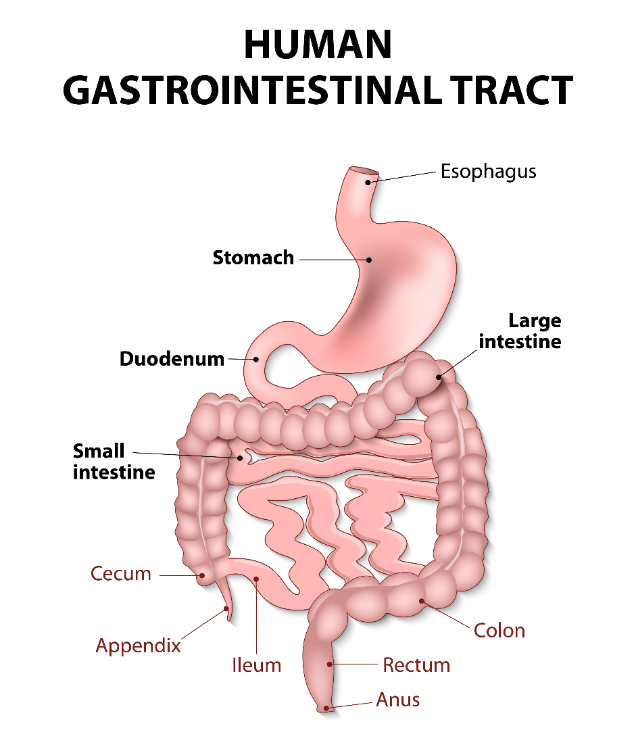
Topics associated with where food enters the body and where it exits are covered in the GI section. Posts covering issues related to nutrition, tube feedings, ostomies, swallowing difficulty, and more are available on this subject, along with links to external resources for additional information. Information related to all types of ostomies, even those outside the GI system is included.
Information on urinary catheterization and care, including prevention of urinary tract infections and skin breakdown, is provided. Obstetrics is not covered.
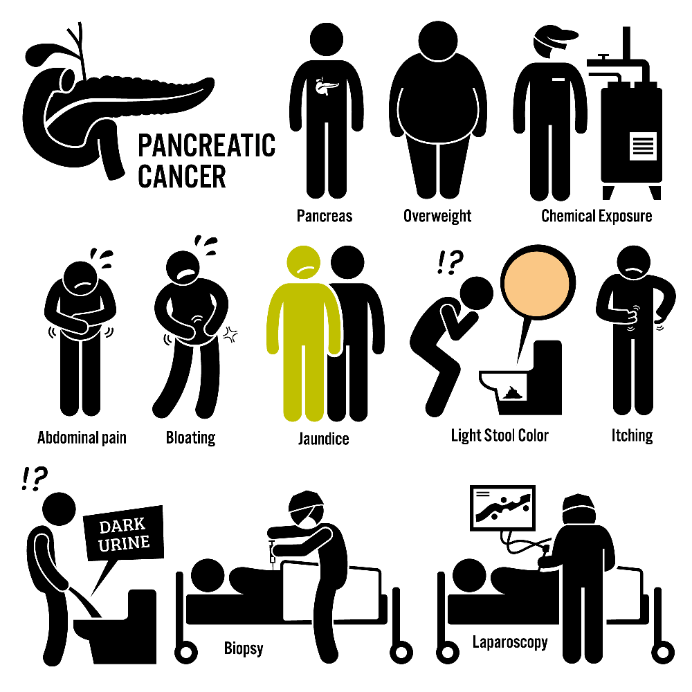
Information about the liver, pancreas, gallbladder, and spleen are found here. Therefore, if you have questions about diabetes or liver failure, here’s where you want to start. You can also find out about how it feels if your gallbladder is acting up and what’s the impact if your spleen is removed after a car accident.
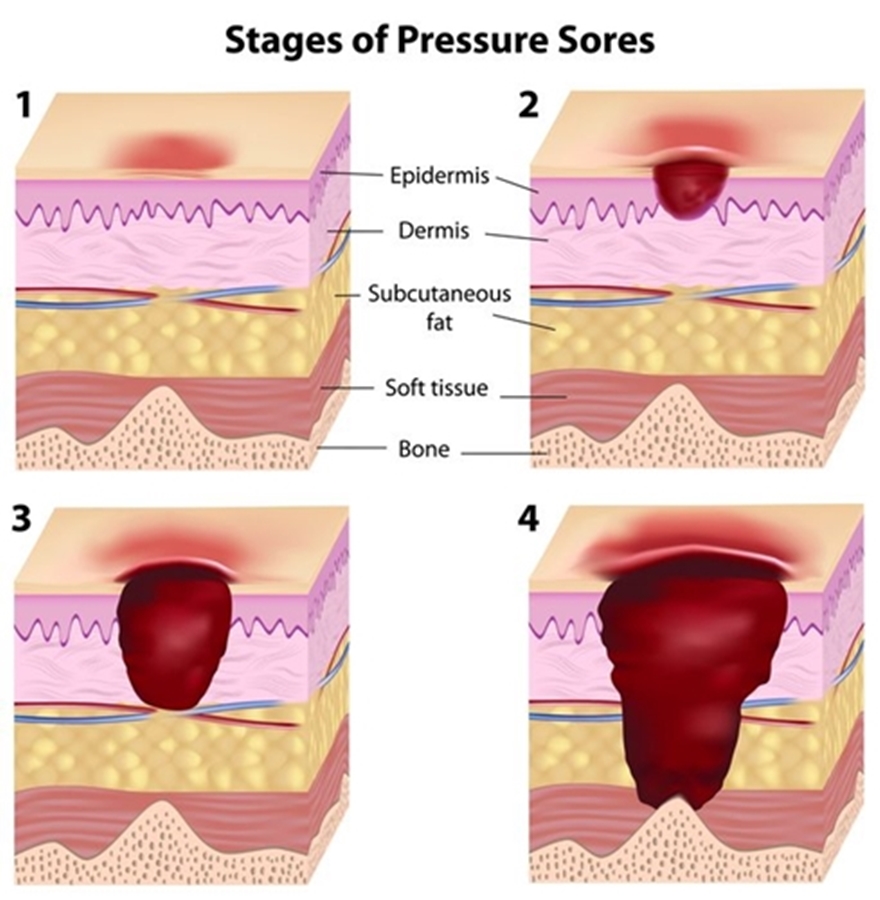
Unfortunately, caregivers become very familiar with muscle and nerve pain themselves; therefore, this topic has a dual goal. (1) how to help the caregiver take care of themselves, and (2) how to deal with neurological and mobility problems in a care recipient. Both are vital subjects.
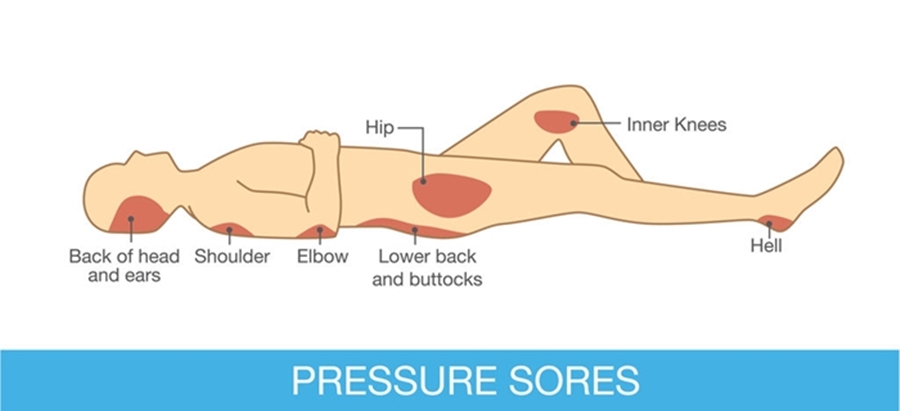
Under Safety and Prevention, Donna provides helpful guidelines on how to keep caregivers safe and how to ensure the care recipient’s safety during such times as transfers or when it’s necessary to leave them alone. Topics and subject areas encompass a wide range of knowledge, drawing on 30 years of experience in caregiving.