
Patient and Critical Care Team Support Members
Chaplain Services provides an invaluable service within healthcare organizations. Patients and their families present with life-threatening emergencies or receive life-altering information throughout any given day. The healthcare teams would love to provide the emotional support patients need, but they need to move on to the next patient in need of care. The Chaplain’s office comes to the bedside to provide whatever level of support the patient needs. The Chaplains provide faith-based support and encouragement that align with the individual’s religious preferences, promoting healing and offering emotional support during crises. Their visits often help restore hope and provide encouragement for a better tomorrow.
Many times, trauma cases in particular need assistance from Case Management and Social Services in helping them obtain resources to return home, or to continue their recovery beyond the acute care hospital environment. Case management services are designed to assist patients and their support systems in managing the medical condition and the behavioral and social issues that arise from living with it. They help coordinate care, eliminate duplicate services, reduce the need for additional hospital visits, and improve patient health by encouraging adherence to the patient’s care plan. Social Services provides similar assistance, but they also offer counseling, help with applying for community support services, and coordinate the transition between care settings, such as moving from the hospital back home.
Therapies and Specialties
Specialties included on the PM&R team may include any or all of the following:
- Physical Therapy focuses on improving movement, reducing pain, strengthening muscles, restoring function, and preventing injury or disability. Physical therapists use exercises, manual techniques, and education to help patients recover from injuries, manage chronic conditions, and regain mobility.
- Sports Medicine focuses on preventing, diagnosing, treating, and rehabilitating injuries resulting from sports, exercise, or physical activity. It serves athletes and active individuals, aiming to improve performance, enhance recovery, and manage musculoskeletal conditions such as sprains, fractures, and tendinitis.
- Occupational Therapy helps people across the lifespan participate in daily activities (occupations) they need or want to do, such as dressing, working, or playing. It focuses on enhancing independence and quality of life through tailored interventions such as adapting tasks, modifying environments, or rebuilding skills.
- Nutrition Specialist or Dietician, trained in determining calorie requirements for muscle and organ recovery, including ensuring the patient receives a well-balanced, energy-producing meal. They provide general dietary guidance and help individuals develop healthier eating habits and lifestyle choices.
- Speech Therapy helps by correcting swallowing problems and by addressing language or speech defects caused by a brain injury or other conditions affecting communication. It also involves exercises to improve articulation, language comprehension, fluency, and oral-motor strength, helping people with conditions such as stroke, brain injury, or developmental delays communicate more effectively.
- Respiratory Therapy, which helps ensure the patient is receiving sufficient oxygen for the body’s needs, either through breathing treatments, ventilator management, or secretion removal. They diagnose and manage patients with respiratory and cardiopulmonary disorders. Respiratory Therapists work with people of all ages to improve lung function and quality of life using oxygen therapy, medications, and mechanical ventilation.
- Sleep medicine may become involved if injury to the nervous system has impaired the individual’s ability to obtain adequate restful sleep due to sleep apnea. A sleep specialist diagnoses and treats sleep disorders and disturbances.
- Recreational Therapy is a systematic process that uses activity-based interventions such as sports, arts, and community outings to improve the physical, cognitive, emotional, and social functioning of individuals with illnesses and disabling conditions. It aims to restore independence, reduce anxiety, and enhance overall well-being.
Diagnostic Testing and Imaging
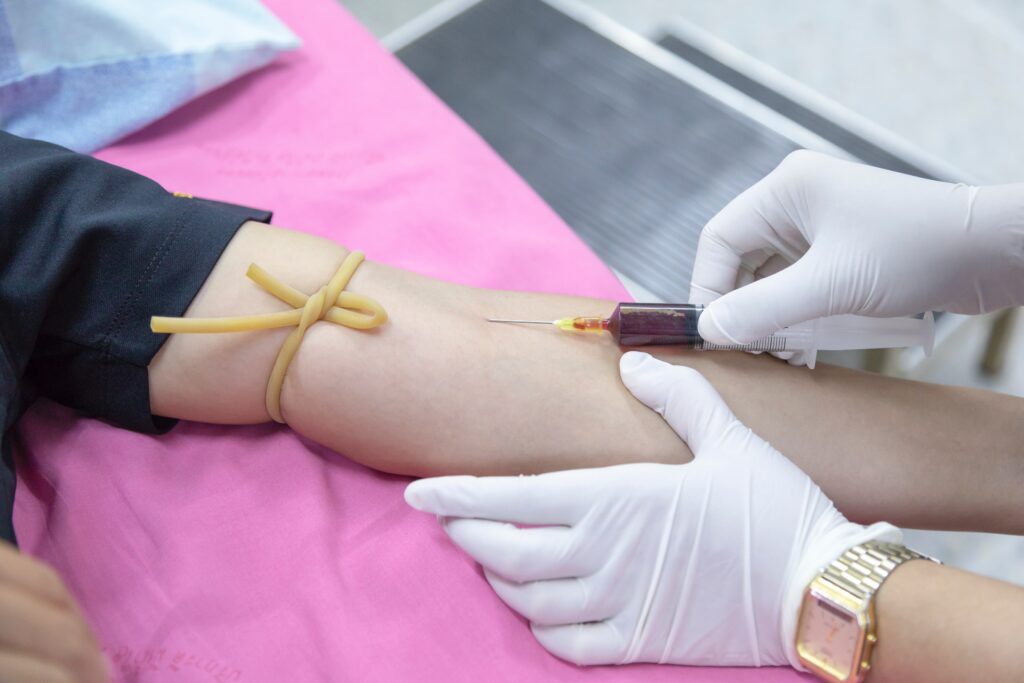
To make effective treatment decisions, healthcare providers must have accurate, up-to-date, detailed information about the body’s physical state. While they can obtain limited information by talking to the patient (called “taking a health history”) or by observing external clues during a physical examination, they obtain most of their information from Diagnostic Testing and Imaging. Tests performed in a Laboratory, Radiology, Nuclear Medicine, Pathology, Genetics, Immunology, Blood Typing and Crossmatching, Serology, Cytology, or another specialized department reveal what is inside the body and help determine what is not functioning correctly. With these tests, they can determine what is present that shouldn’t be, what isn’t present that should be, how much or how little we have of something, and whether it looks normal. If something in an image does not look normal, they can consult others to determine what it looks like and what it could be. Knowing this information saves a healthcare provider a tremendous amount of time and guesswork. How does a doctor decide which test to order to get the best information? See below the information gathered from each test.
Diagnostic or Imaging Specialty | When are They Used? |
Laboratory | Performs tests on blood, urine, saliva, and other body materials obtained from the human body to determine what the material is, measure the amounts received, and describe the presence or absence of substances or organisms seen in the materials provided for testing. |
Radiology | Uses X-rays and radioactive substances to produce images of the body’s organs and internal structures, enabling treatment decisions to be made quickly without entering the body. |
Nuclear Medicine | A specialized field of imaging that uses a small, safe amount of radioactive material to highlight how organs and tissues function at the cellular level. |
Pathology | Analyzes tissue samples, cells, and body fluids to detect disease or other conditions. |
Genetics | Saliva, blood, or tissue samples are analyzed for genes, chromosomes, or protein components to identify disease risk, carrier status, or ancestry. |
Immunology | Measures the levels of certain antibodies in the blood. |
Blood Typing and Cross Match | Takes a blood sample to determine compatibility between donor and recipient blood types. The crossmatch detects the presence of antibodies in the recipient’s blood against the red blood cells in the donor’s blood. The presence of these antibodies could cause a transfusion reaction, leading to death. |
Serology | Detects antibodies to determine exposure to a specific virus or bacterium, or to determine whether immunity has developed via vaccination. |
Cytology | Examine a small quantity of cells, tissue, or fluid under a microscope to determine a diagnosis |
Infection Control
The Department of Epidemiology (Infection Control) plays a major role in protecting all Intensive Care, Oncology, and Transplant units, tracking infection data and monitoring test results to ensure there is no evidence of increased infection risk across the organization. Surveillance monitoring is extensive in hospitals and is taken very seriously. All areas and employees are monitored, some more than others, but nothing is off-limits.